
Advancing Student Well-Being
with Stanford Medicine
MEandMine is built on a preventive neuroscience framework rooted in positive psychology and brain-state regulation. Mental health care today begins at crisis - 11 years after first symptom onset. MEandMine's mission isn't just about access, it's about redefining when the care begins.
Stanford Research:
Research Project with Stanford Medicine
-A Year-Long Study of 42,000 Students-
MEandMine's proprietary Deep Learning Model continuously analyzes longitudinal behavioral signals to identify meaningful changes from personal baseline. Rather than relying on a single screening event, it generates a dynamic well-being profile that detects evolving behavioral patterns over time.
Validated through Stanford-led research with 91% early risk detection accuracy, MEandMine empowers earlier, data-informed intervention while supporting—not replacing—the judgment of educators and mental health professionals.
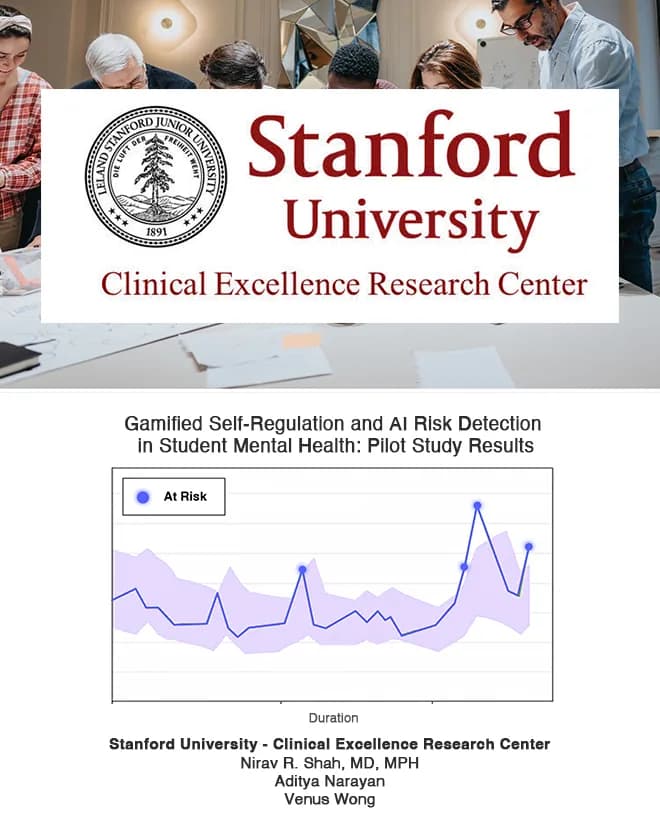
Our data scientists and researchers ground MEandMine's innovation in behavioral data and neuroscience.
The team uses gamified and adaptive self-regulation activities to address the root causes of behavior incidents, chronic absenteeism and the widening gap between students in emotional distress and available counselors.
We use Deep Learning to analyze large-scale behavioral and well-being data to train our Preventive AI for detection.
By enabling earlier insight and intervention, MEandMine helps student regulate emotions while detecting early mental health risk, reducing the critical gap of 11 years.
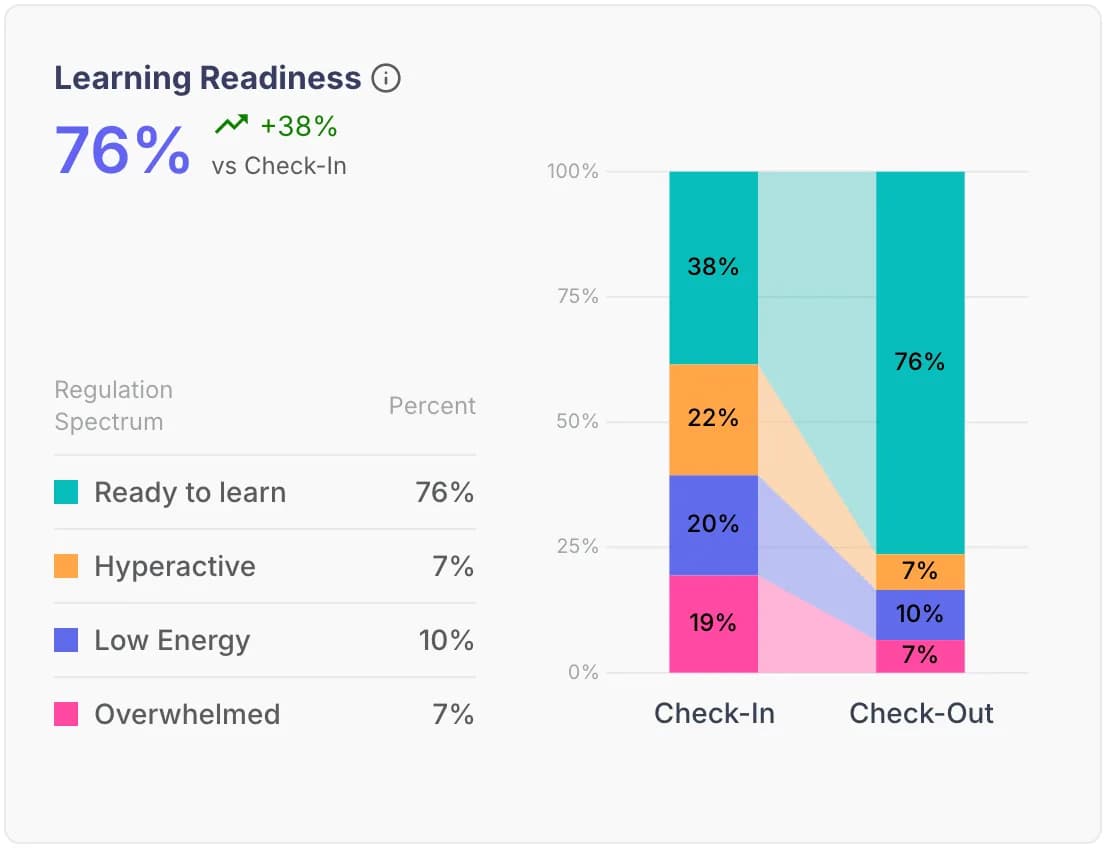
Neuro-Regulation Model
After 10-15 minutes of practice, students show measurable gains in self-regulation, nearly doubling learning readiness.
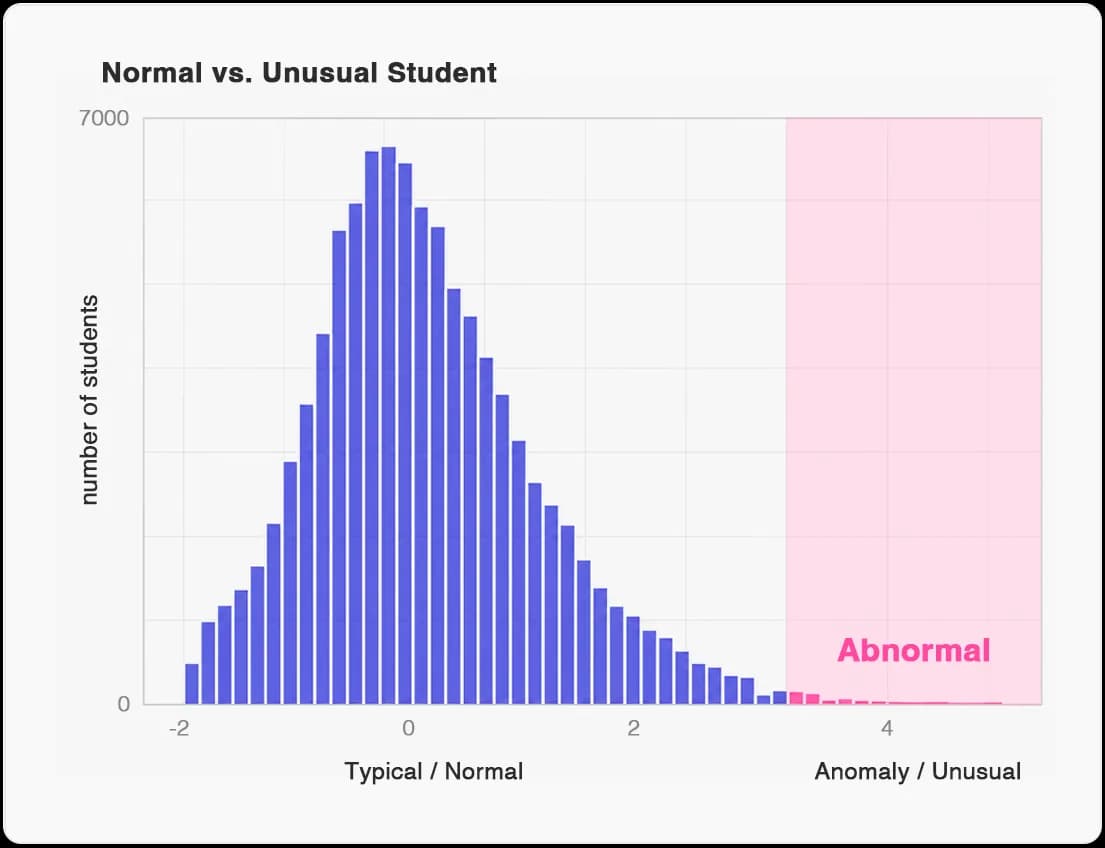
AI-Flagging Model
Detects behavioral anomalies. Identifies meaningful deviations from a student's baseline, enabling earlier intervention.
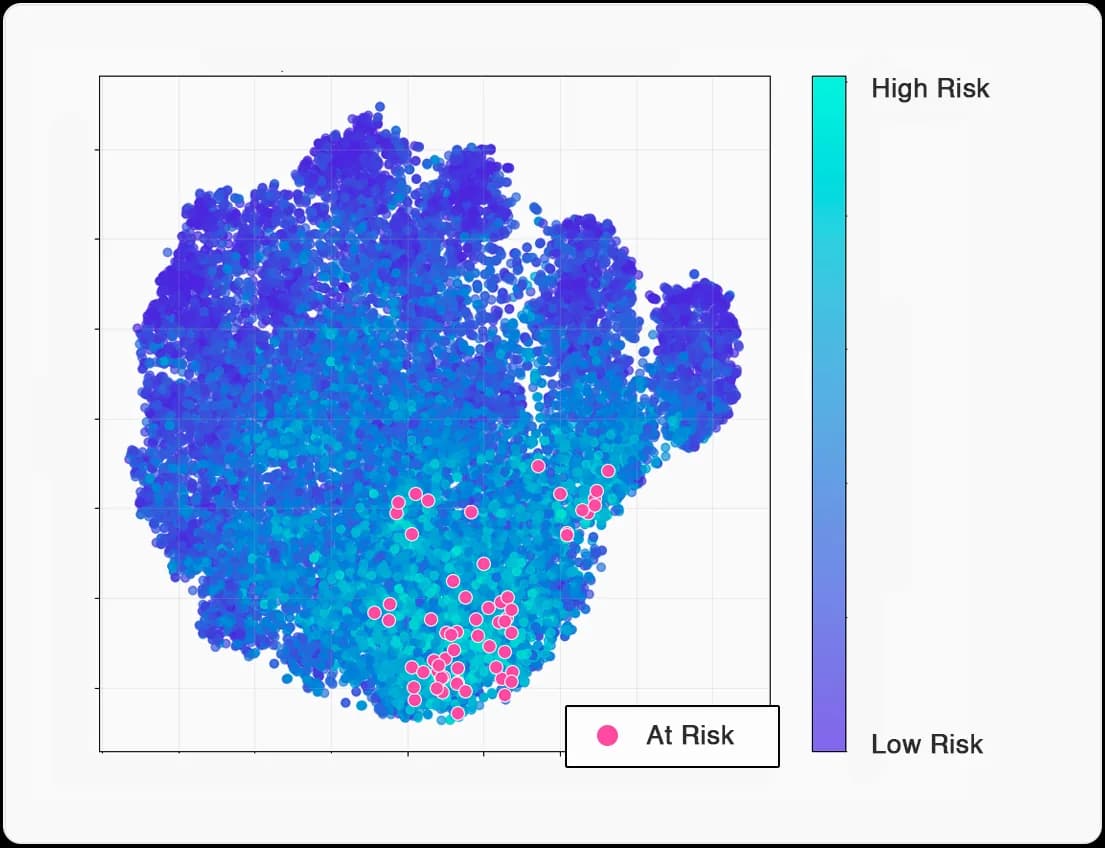
Risk Detection Model
Model well-being profile and detect early risk patterns of anxiety, depression, ADHD symptoms, and aggression.